
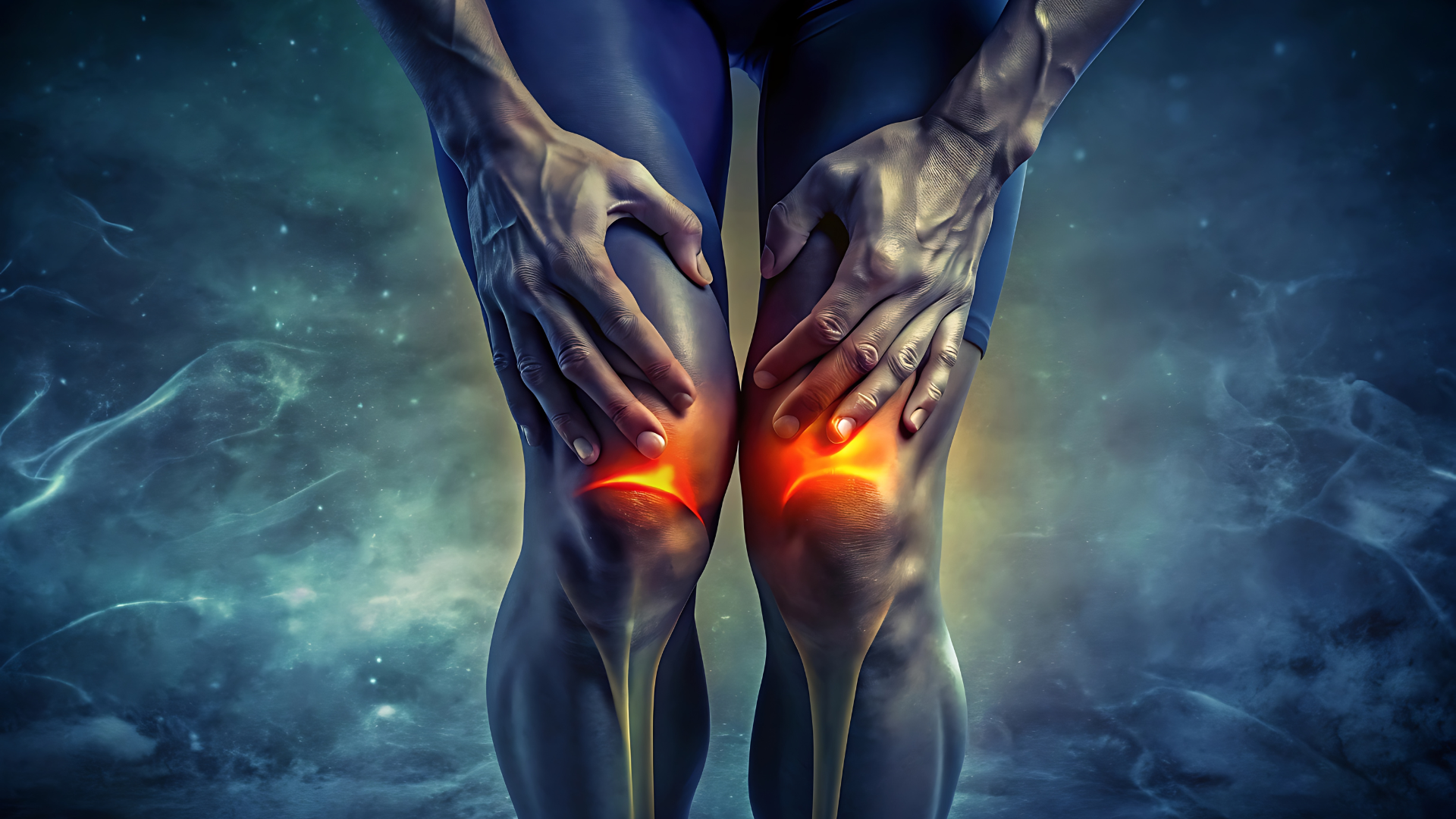

Discover the most common causes of knee pain and how sports medicine specialists diagnose and treat it effectively..
The 7 most common causes of knee pain according to sports medicine
Knee pain is one of the most frequent reasons for seeking medical advice, both for athletes and for people who don't participate in sports. The knee supports a large part of the body's weight and is involved in practically all movements of daily life, so it's not surprising that discomfort arises.
In this article we explain the 7 most common causes of knee painhow they are diagnosed and when it is advisable to see a sports medicine specialist.
1. Patellar tendinitis (jumper's knee)
Patellar tendonitis is very common in runners, basketball players, soccer players, and sports that involve jumping.
Most frequent symptoms:
- Pain in the front of the knee
- Discomfort when going down stairs or jumping
- Morning stiffness
Treatment usually includes physiotherapy, strengthening exercises, and in some cases, techniques such as PRP, EPI or shock waves.
(More information on Bioregenerative Medicine – Click Here)
2. Chondromalacia patellae (patellofemoral syndrome)
It is one of the most common causes in young people. It occurs due to wear and tear or irritation of the cartilage that lines the inner part of the kneecap.
Typical symptoms:
- Pain from sitting for long periods
- Discomfort when running or climbing stairs
- Sensation of rubbing or clicking
The approach focuses on improving biomechanics, controlling inflammation, and strengthening the quadriceps. Hyaluronic acid may also be a promising strategy.
3. Knee osteoarthritis
It is a very common cause from the age of 45, although it also appears in younger people, especially if they have had previous injuries.
Osteoarthritis causes cartilage wear and limits joint mobility.
Current treatments:
- Physiotherapy and therapeutic exercise
- Weight loss when necessary
- Corticosteroid infiltration in specific cases
- Infiltration of intra-articular infiltration of hyaluronic acid.
- Infiltration of PRP (platelet-rich plasma)
- Nerve blocks in cases of chronic pain
(More information on nerve infiltrations or blocks: Click here)
4. Meniscal injuries
The menisci are natural shock absorbers in the knee. Injuries can be due to wear and tear (degenerative) or to sudden twisting motions (traumatic).
Señales que alertan de una lesión meniscal:
- Pain located on the inside or outside
- Swelling
- Blockage or difficulty in straightening the knee
Not all injuries require surgery. Many improve with physical therapy, strengthening exercises, or orthobiologic treatments (PRP).
5. Anterior cruciate ligament (ACL) injury
Very common in sports such as skiing, football, basketball or padel.
Typical syndromes:
- Snapping sound at the moment of injury
- Feeling of instability
- Rapid inflammation
Treatment depends on the degree of injury and the patient's activity level.
6. Knee bursitis
Bursae are small sacs that reduce friction between tissues. When they become inflamed, pain can occur in the front, inner, or back of the knee.
Causes: overload, trauma, poor posture or excessive repeated friction.
Treatment usually includes relative rest, ice, anti-inflammatories, and physiotherapy.
7. Muscle injuries and biomechanical misalignments
Sometimes the problem is not directly in the knee, but in the muscles of the thigh, hip or ankle. Muscle imbalancesLack of strength or poor foot strike can cause overload and inflammation.
That's why in sports medicine the knee is always analyzed within the context of whole lower limb.
When should I see a specialist?
You should consult a sports medicine doctor if you experience:
- Pain that lasts more than 7–10 days
- Swelling or a feeling of warmth
- Instability or gait failure
- Joint lock
- Pain that prevents you from playing sports or doing everyday activities
Early diagnosis allows for the prevention of major injuries and the selection of the most appropriate treatment.
How is knee pain diagnosed?
The following are commonly used in consultations:
- Detailed medical history
- Specific physical examination
- Musculoskeletal ultrasound
- Magnetic resonance imaging (if necessary)
The objective is to identify what structure is affected and design a personalized treatment plan.
(More information on Musculoskeletal Ultrasound: Click here)
Most commonly used treatments in sports medicine
Depending on the cause, the following may be used:
- Physiotherapy and strengthening exercises
- Movement re-education
- Corticosteroid infiltration
- Infiltration of intra-articular infiltration of hyaluronic acid.
- Treatment with PRP (platelet-rich plasma)
- Nerve blocks for chronic pain
- Foot strike correction or custom orthotics (sports podiatry)
- Sports prevention and rehabilitation programs
Conclusion
Knee pain has multiple causes, and each requires a different approach. Proper diagnosis and individualized treatment allow for effective management. regain mobility, reduce pain, and safely return to physical activity.
If the pain persists or limits your daily life, consult a sports medicine specialist.
Follow me on Instagram – Click here
If you need an appointment, Contact us here.